Why I teach
Teaching gives me the opportunity to pay forward everything I've learned throughout my career — and watching students grow from uncertain designers into confident practitioners is one of the most rewarding parts of my professional life.
It also keeps me learning. Many of my students come from around the world, bringing perspectives, cultures, and ways of thinking that challenge my own assumptions. Every semester is a two-way exchange: I help students prepare for the profession, and they broaden the way I think about design.
And I can bridge a gap many students experience. At SAIC, many professors come from backgrounds as artists or independent practitioners. Because I actively work in the technology industry while teaching, students ask me what it's actually like inside product organizations — how design decisions are made, how teams collaborate, how careers evolve, what hiring managers look for. Helping students navigate the transition from school to industry has become one of the most meaningful parts of teaching.
What I teach
Undergraduate: Design Research, Core Studio, Material Futures, and Design Spectrum — a course spanning commercial, experimental, discursive, and socially responsible design. I developed the curriculum for these courses.
Graduate: Sophomore Seminar and Graduate Thesis (co-taught) — a year-long course guiding students to develop, refine, and publicly exhibit an original thesis project. Rather than lecturing, much of my role is mentoring each student through an open-ended design process, helping them navigate ambiguity while developing their own point of view.
How I teach
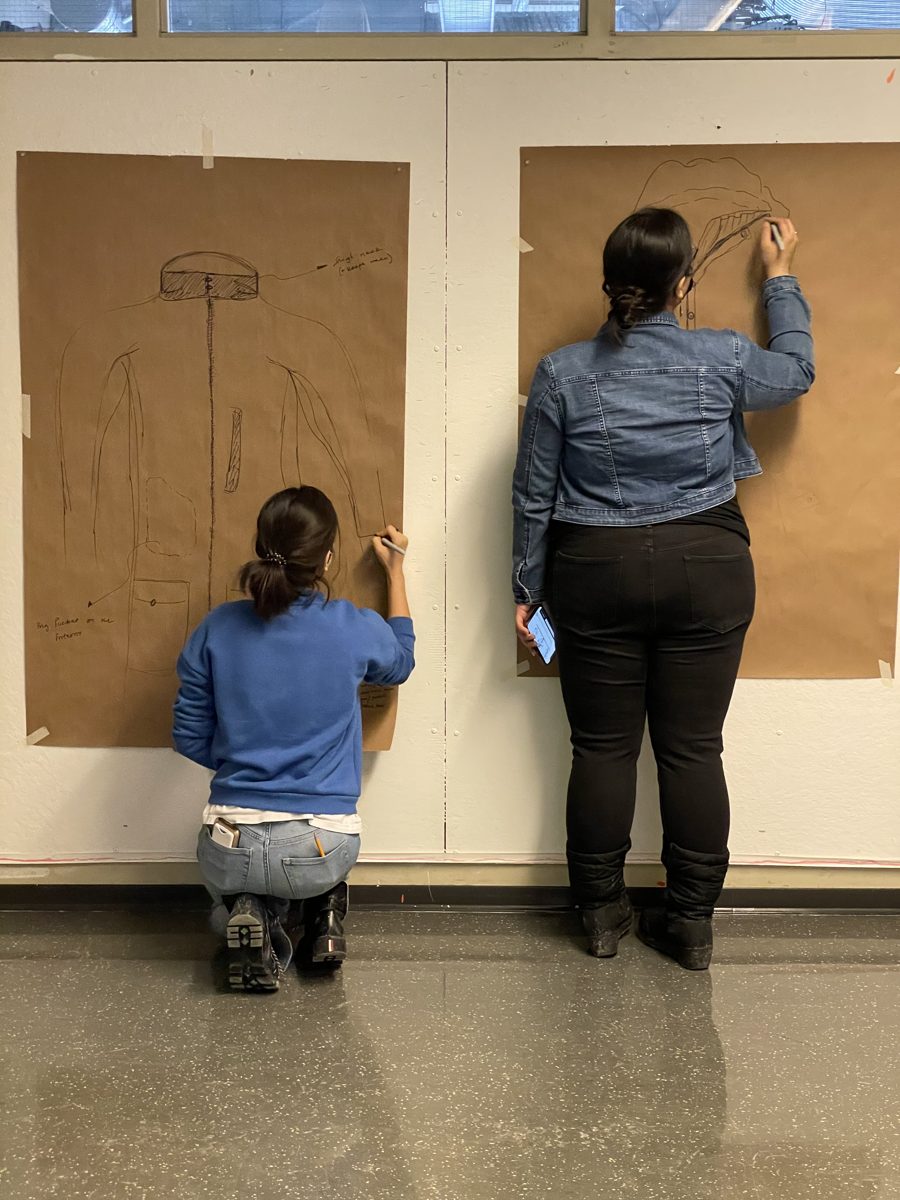
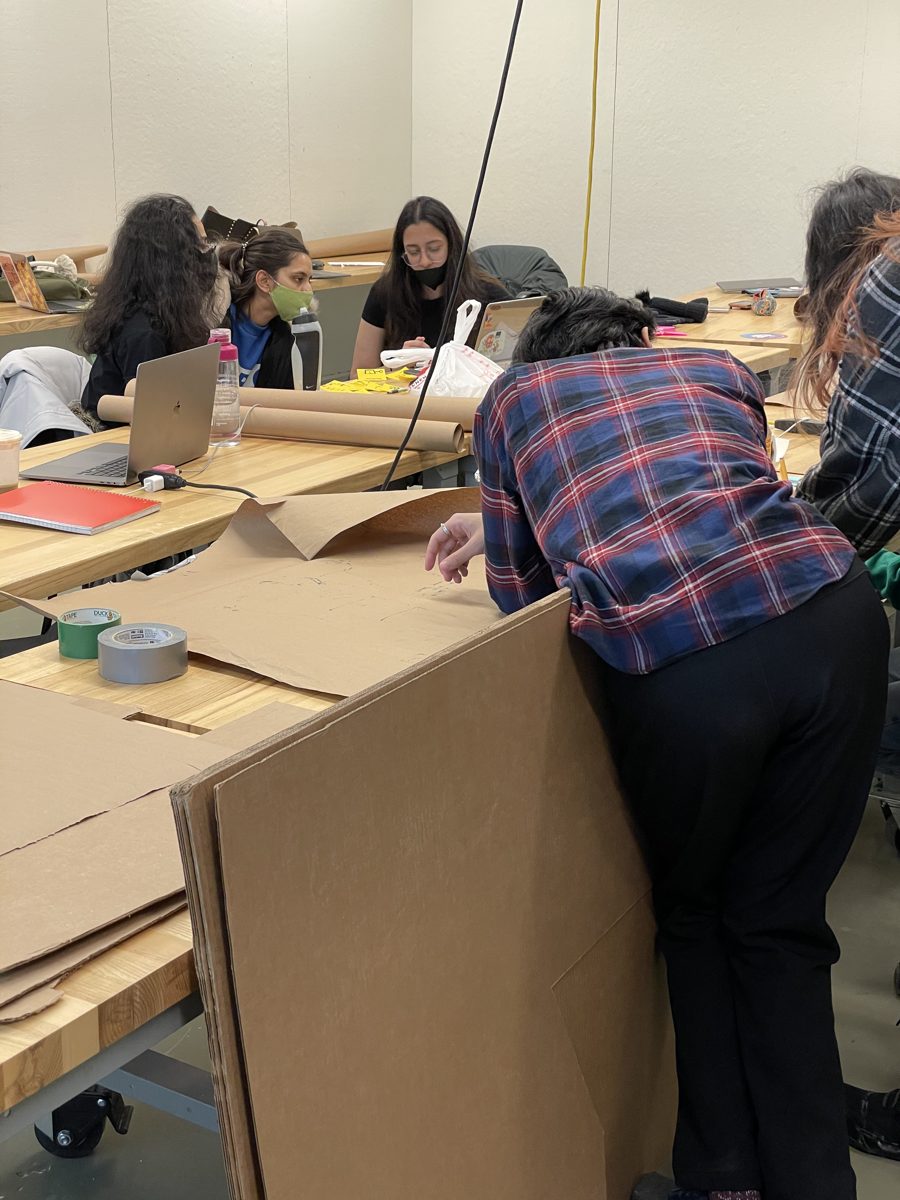
I don't believe design can be learned through lectures alone — the best way to learn design is by practicing it. My classroom is built around experiential learning. Before conducting interviews for homework, students first experience every role in the classroom — interviewer, participant, note taker — and leave understanding both the mechanics and the human side of research. Observation assignments send them into Chicago transit stations and neighborhood cafés to study people, environments, behaviors, and systems in the real world. Design starts by paying attention.
I also work deliberately on critique culture: a classroom where critique feels challenging but never threatening. Students learn to seek feedback early, separate ideas from identity, build on one another's thinking, support opinions with evidence, and become comfortable changing direction. Over time they see critique not as judgment but as one of the most valuable tools in the design process.
And I teach iteration: prototype quickly, test early, learn, repeat — and just as important, recognize when a design is good enough and further refinement offers diminishing returns.


How teaching shapes my leadership
Teaching taught me to coach rather than direct, ask questions before offering answers, create psychologically safe environments, recognize that every designer learns differently, balance challenge with encouragement, and focus on long-term growth over short-term performance.
Whether I'm mentoring a student or leading a product team, my role is ultimately the same: create the conditions where other people can do their best work.
Her classes didn't just teach methodology; they shaped my entire foundation in user experience design and my understanding of what it means to create with empathy and purpose.